
Identity Fraud Courses
In 2025, a record 444,993 cases were filed to the NFD, including more than 242,000 cases of identity fraud. Although identity fraud filings fell by 3% year-on-year, it is still the most common case type, accounting for over half of all reports.
This modest reduction is accounted for by a shift in criminal tactics rather than a reduction in harm, with fraudsters increasingly targeting account takeovers, particularly via mobile phones. - Fraudscape 2026
We have range of Courses, Professional Certificates and Masterclasses to help your staff and organisation to combat the ongoing threat Identity fraud poses.
 |
Masterclass: Understanding the Fraud Risks from Generative AIThe increasing use of generative AI tools by fraudsters is a growing concern for fraud control teams worldwide. AI voice, video, still images, text, and hybrid versions of these digital media are being widely exploited to create deep fake profiles and synthetic personas that are very effective at tricking victims into handing over money, passwords, and other sensitive data. Some parents have even reported that they are unable to tell the difference between their child’s actual voice and an AI rendition of the voice. View Course Details |
 |
Verifying Customer IdentitiesHow do you distinguish between a genuine customer and a bad actor looking to exploit your business? In today's fraud landscape, customer verification (commonly known as KYC - Know Your Customer) is your first line of defence against application fraud and financial crime. View Course Details |
 |
Investigating on the Dark WebThe Dark Web is a treasure trove of data and information when conducting fraud investigations -stolen customer accounts, fraudulent document templates, leaked business information, and detailed guides for bypassing your counter-fraud measures all circulate freely in hidden market places on the Dark Web. View Course Details |
 |
Fraud Risk Assessment and ManagementDevelop the skills and knowledge to identify, record, assess and act on fraud and economic risks facing your organisation. The Fraud Risk Management course gives you the skills and knowledge needed to undertake fraud risk management, including an understanding of the nature of fraud; an awareness of the fraud management model and the inter-dependency of its components; knowledge of the terminology and options involved with fraud risk management; the ability to plan and implement fraud risk management procedures; and, the capability to act and report on fraud risks as they start to occur. View Course Details |
 |
Digital Document Fraud (Classroom)Digital documents are much more easily tampered with, copied or faked than hard copies – creating a greater risk of fraud. The Digital Document Fraud (Classroom) course will help you mitigate these risks by teaching ways to detect tampering with documents and emails. View Course Details |
 |
Internet and Open Source Investigations (OSINT) - Foundation Level (online)Our Internet and Open Source Investigations course teaches you how to use the Internet more effectively for research and investigation. You will build on your investigative skills, gaining more knowledge about the Internet and World Wide Web, Internet jargon, current technologies and how to identify sources of evidence. View course Details |
 |
Cifas Digital Fraud PractitionerGain a comprehensive understanding of the cyber threats faced by an organisation exploring how the risks are manifested on digital technology platforms and how best to respond to and prevent them. View Course Details |
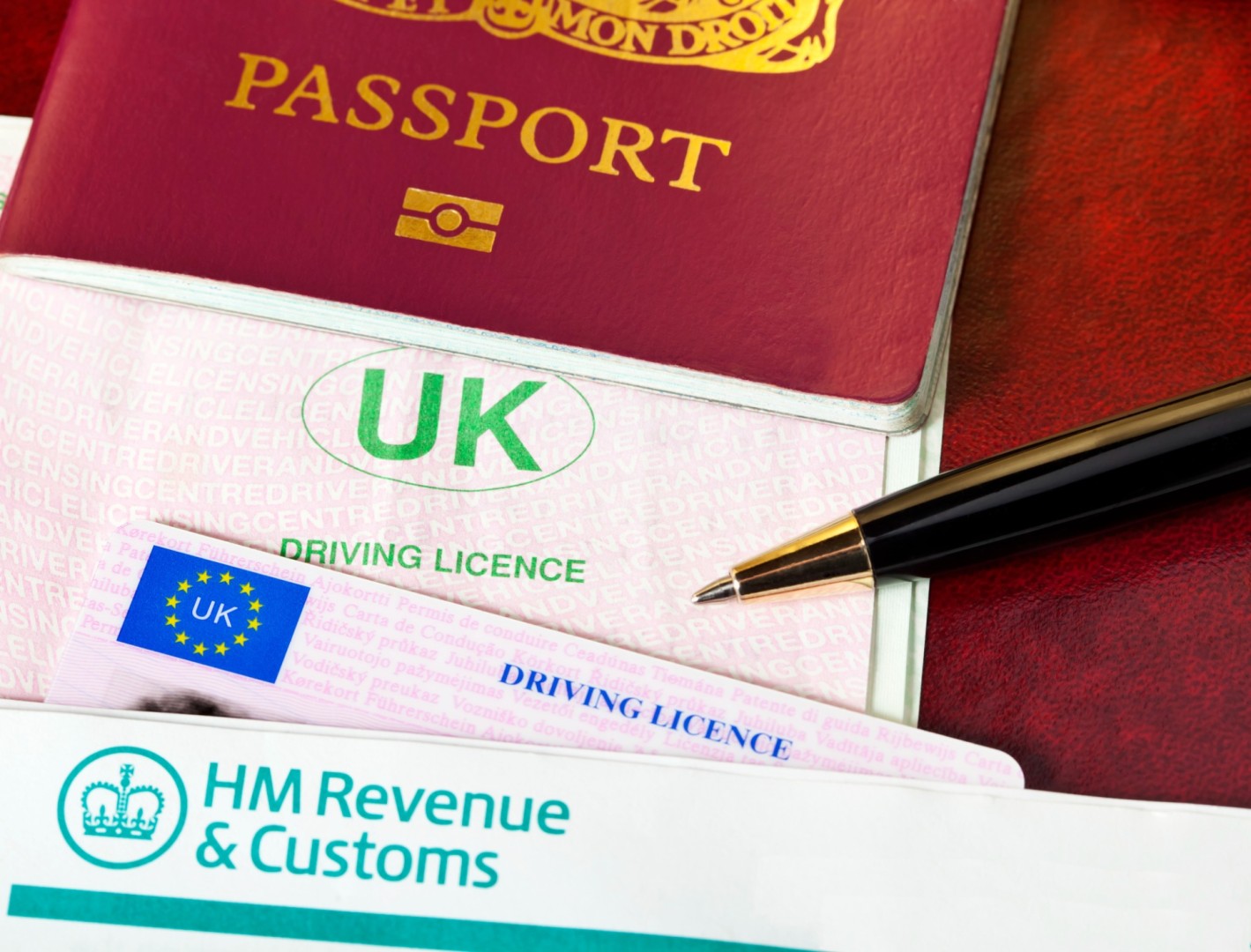 |
Identity and Document Fraud – Best PracticeThis course will inform the learner about the current document fraud threat landscape and will look at best practice for those who have to examine identity documents and supporting documentation online in the support of identity verification processes. View Course Details |